
“Stuck Future” is the second chapter of my long-term photo project “Periphery”. While the first part, “Balance on the Border”, primarily examines the everyday lives, adaptations and opportunities of people living on the geographical and social peripheries, this series builds on the distance that exists between the hopes of Eastern Europe in the 1990s and the current state of the world.
The images present spaces and human presence that preserve the imprint of the world that has been taking shape in the more than twenty to thirty years since the change of communist political system. They document the quiet realization that the future has not turned out as we imagined in the 1990s. During that period, many of us believed in the possibility of a more open, free and predictable world. Transition to democracy, technological development and globalization carried the promise of a new era.
Over the years, however, it has become increasingly clear that these hopes have only been partially fulfilled. The future has slowly become stuck: the gap between expectations and reality has gradually become visible. When I take photos, I do not look for pre-planned meanings. The images are created when an external perspective unexpectedly encounters an internal memory or a feeling that emerges from deep within. These moments are not about reconstructing the past, but about the inner space where memory and the present are somehow connected.
The sensitivity of the grunge culture of the nineties is also an important inspiration for me: behind everyday spaces there is always a more difficult to articulate reality, in which lack, uncertainty and hope are simultaneously present. “Stuck Future” examines how time rewrites our ideas about the future. In the examined peripheral spaces, the state in which the world moves on becomes particularly perceptible, while certain places and destinies seem to preserve traces of an unfulfilled future.
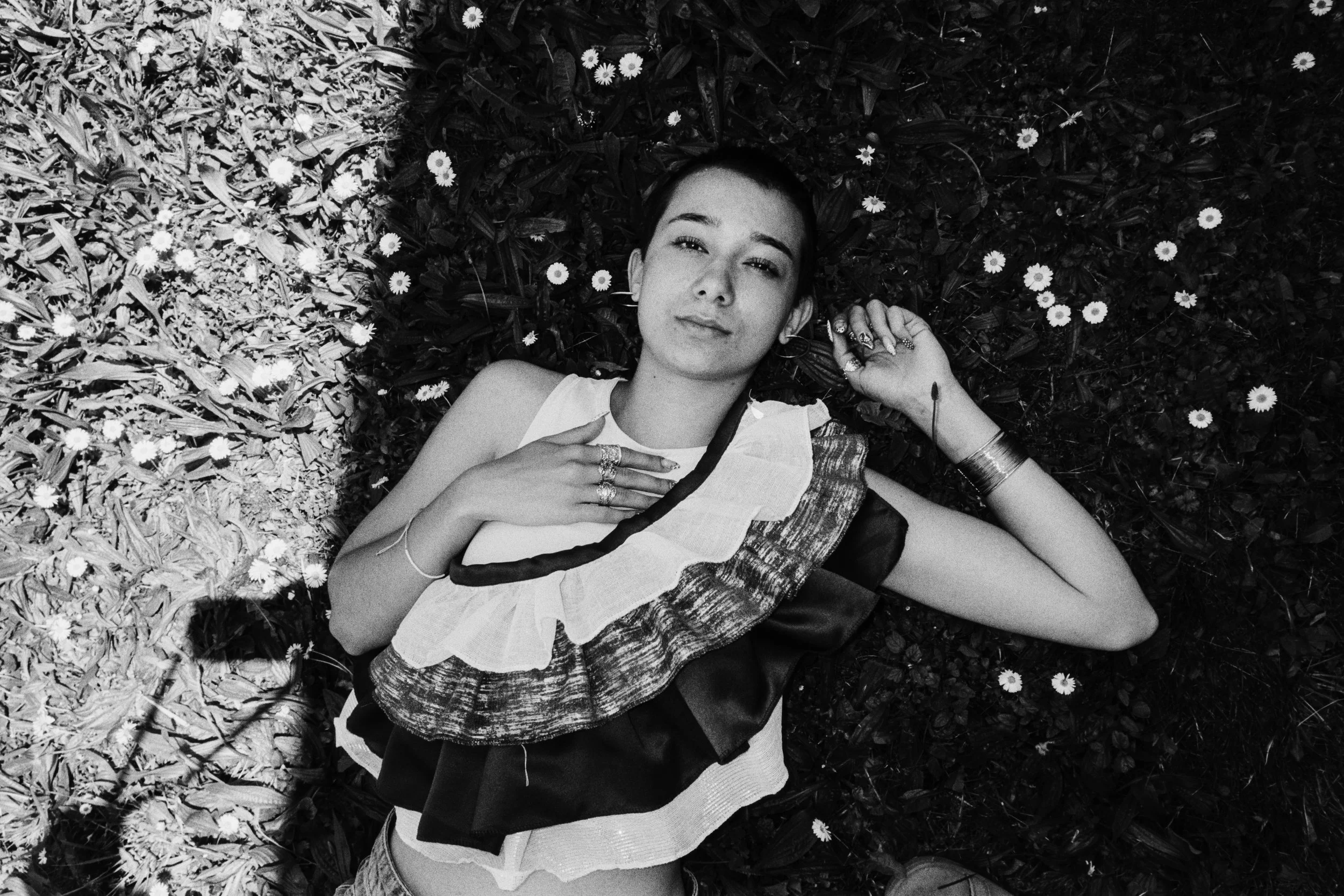
Izabell is lying on the grass wearing a top made by her friend. 2026.
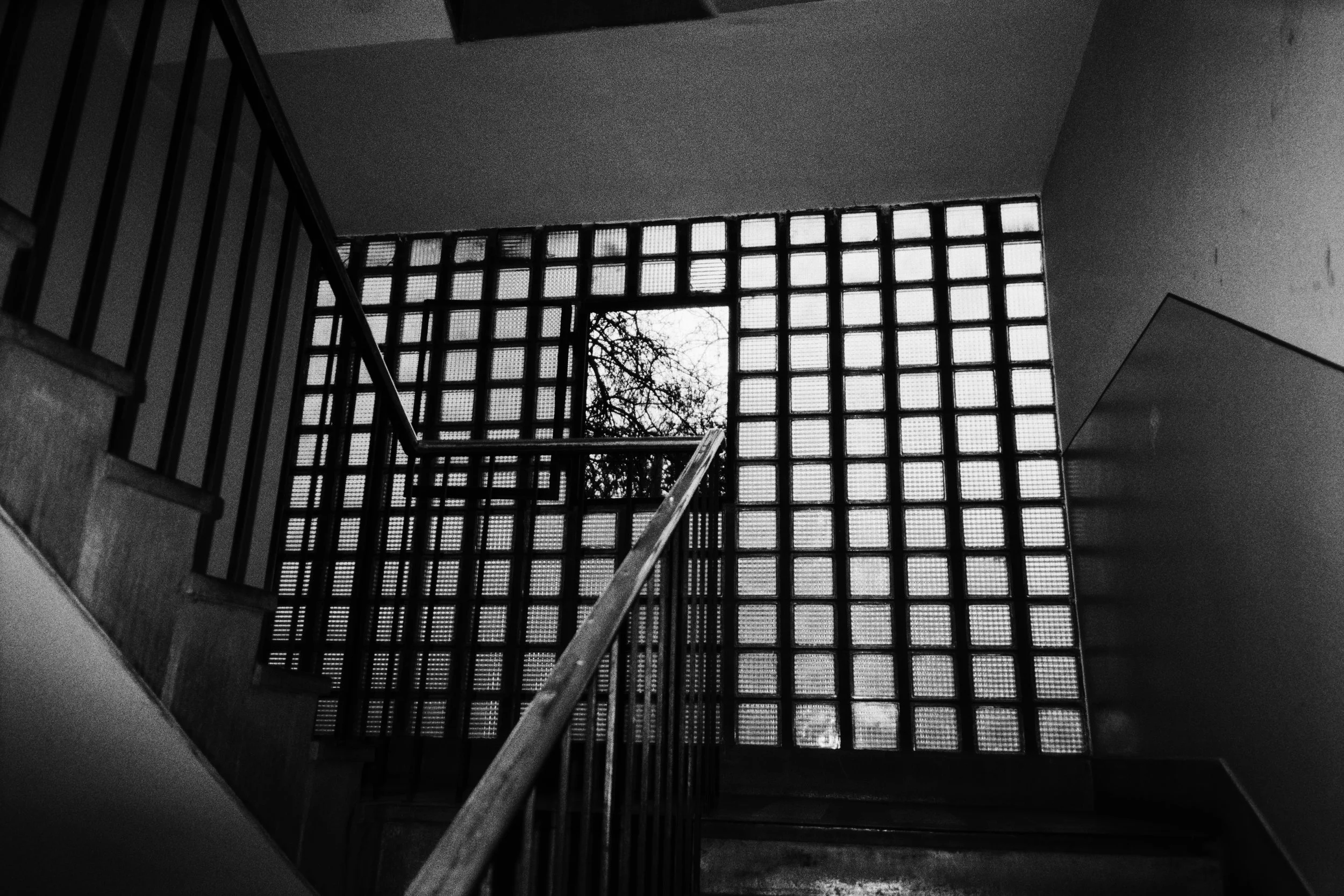
Staircase window. 2026.
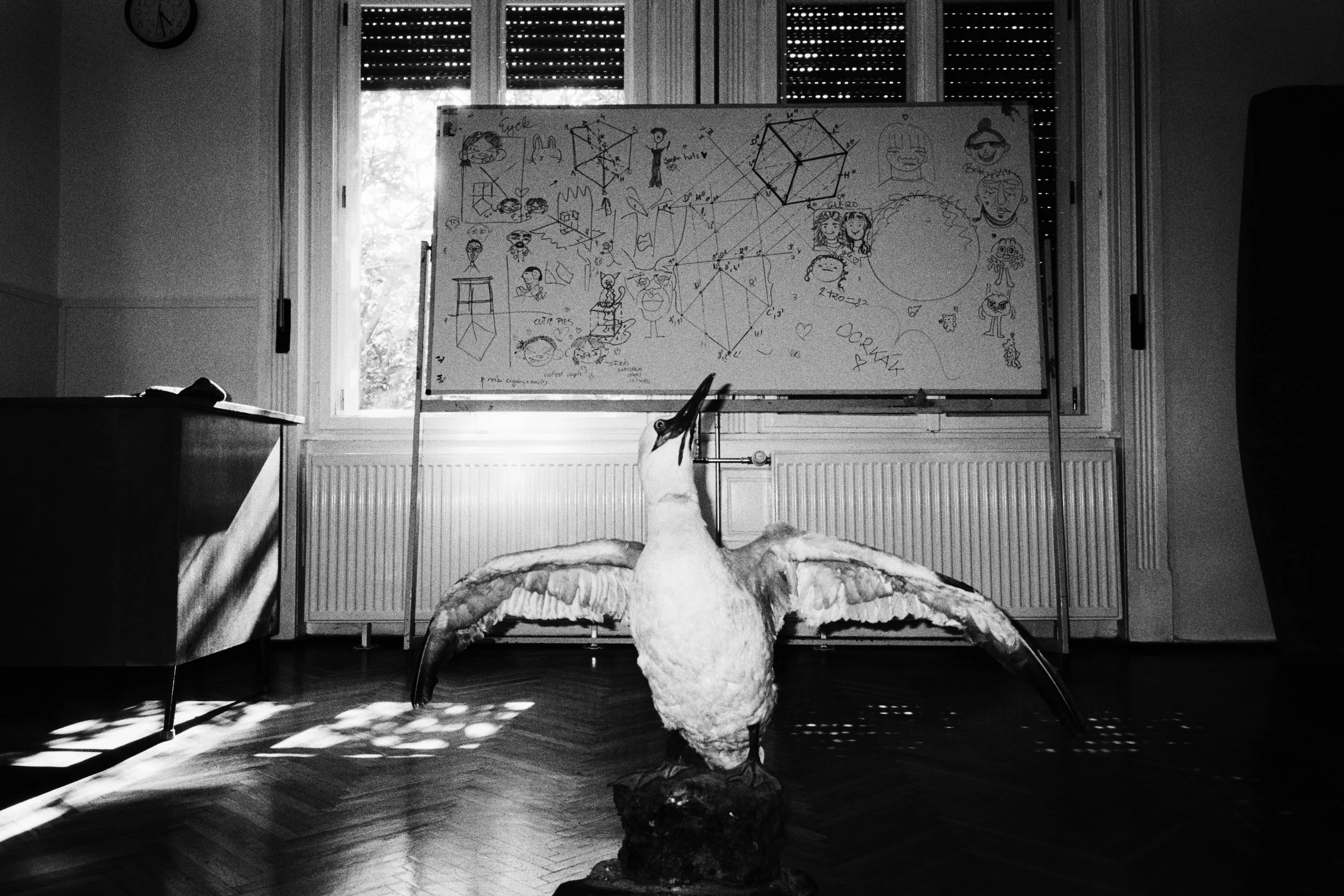
Taxidermy bird in front of a school blackboard. 2026.
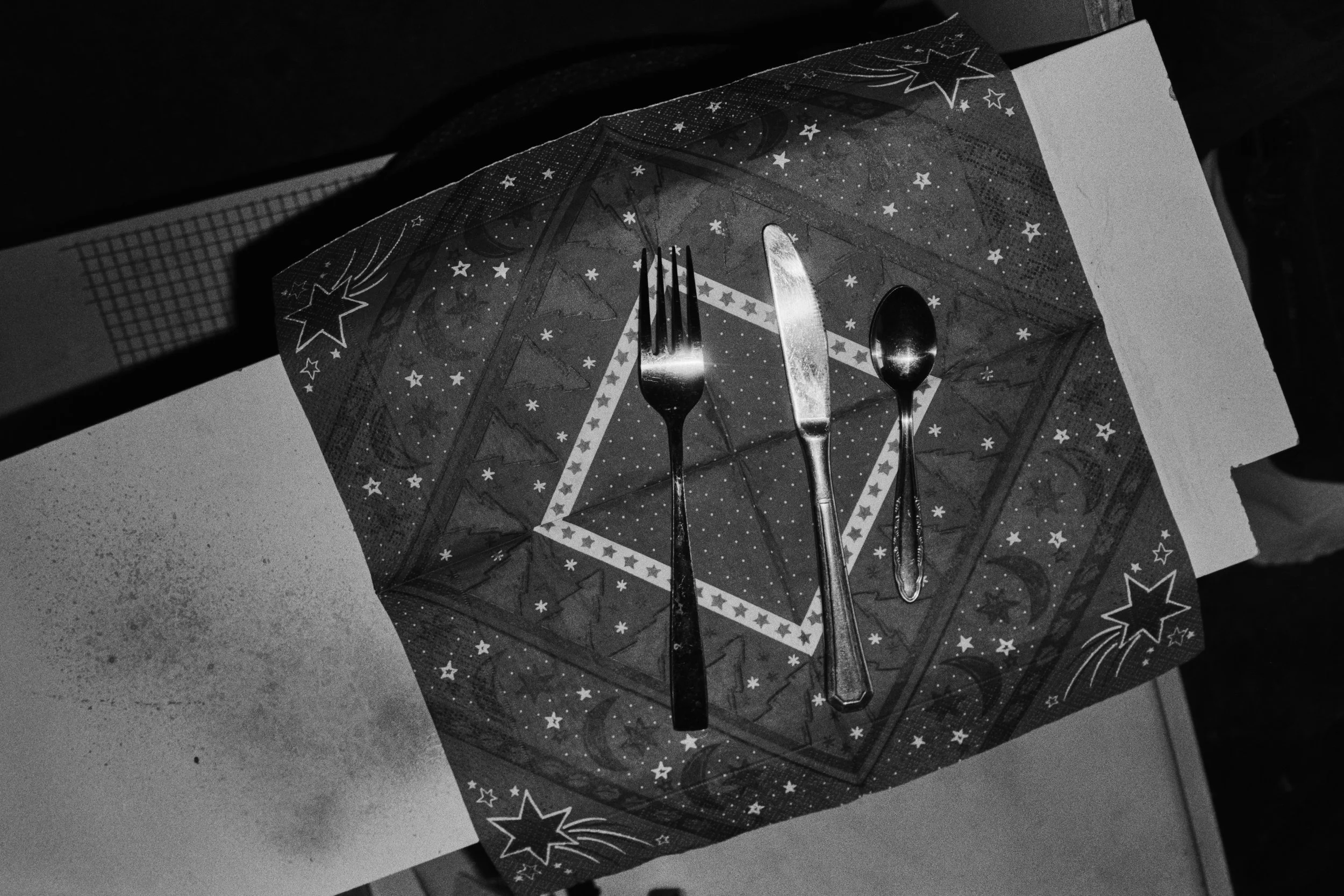
Table setting in a maintenance room.
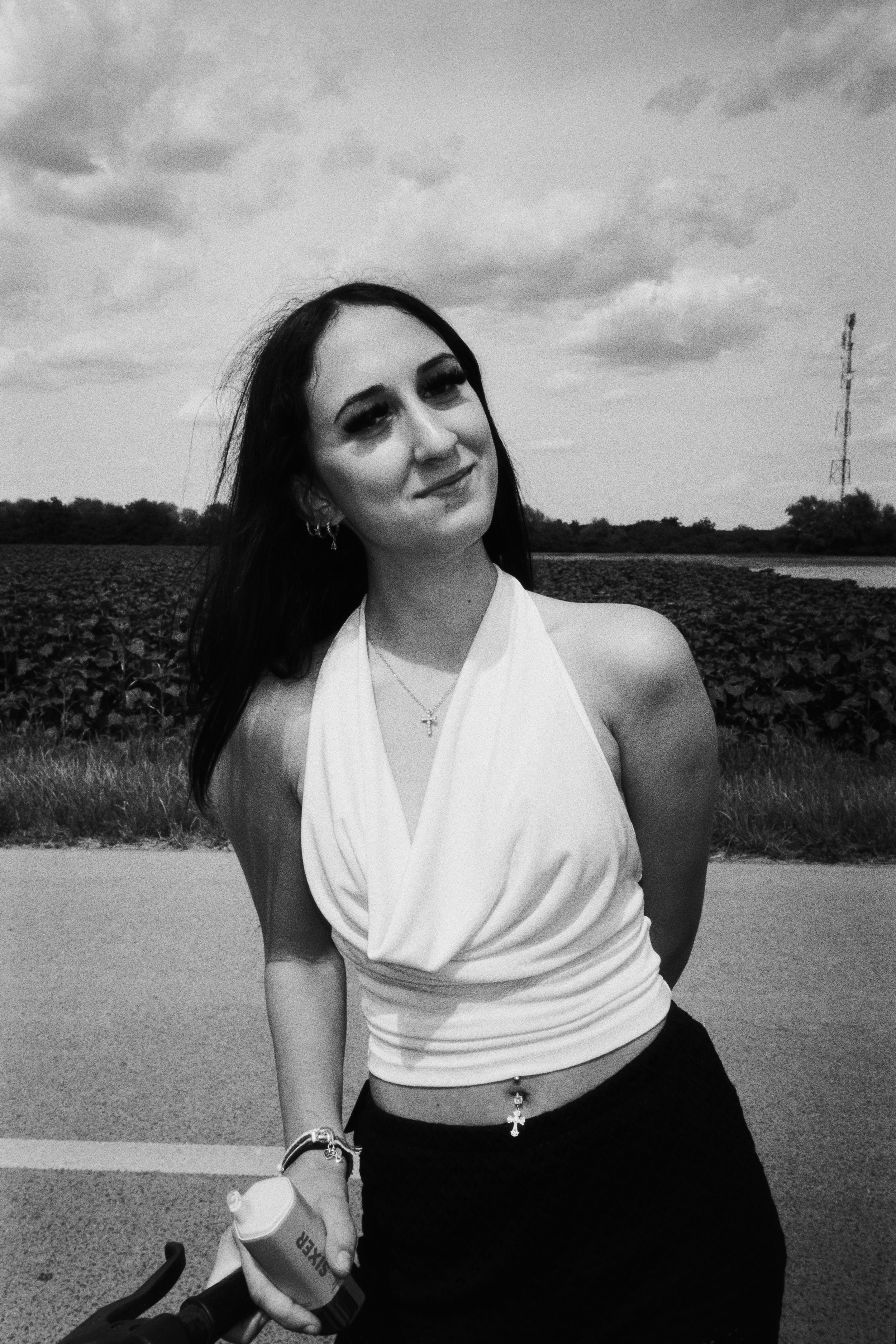
Portrait of Vanda with a bicycle. 2026.
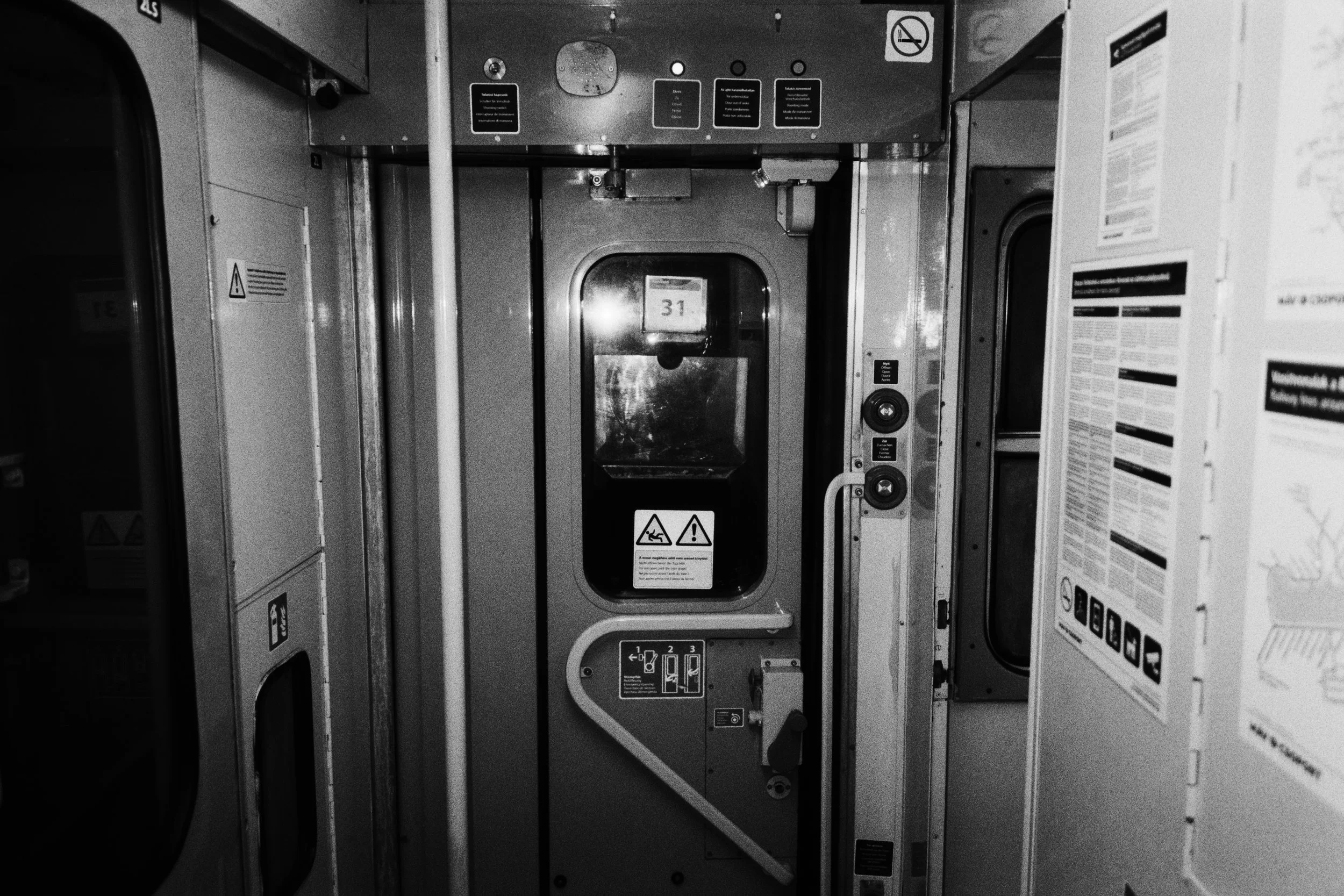
Evening train journey on a cold day. 2026.
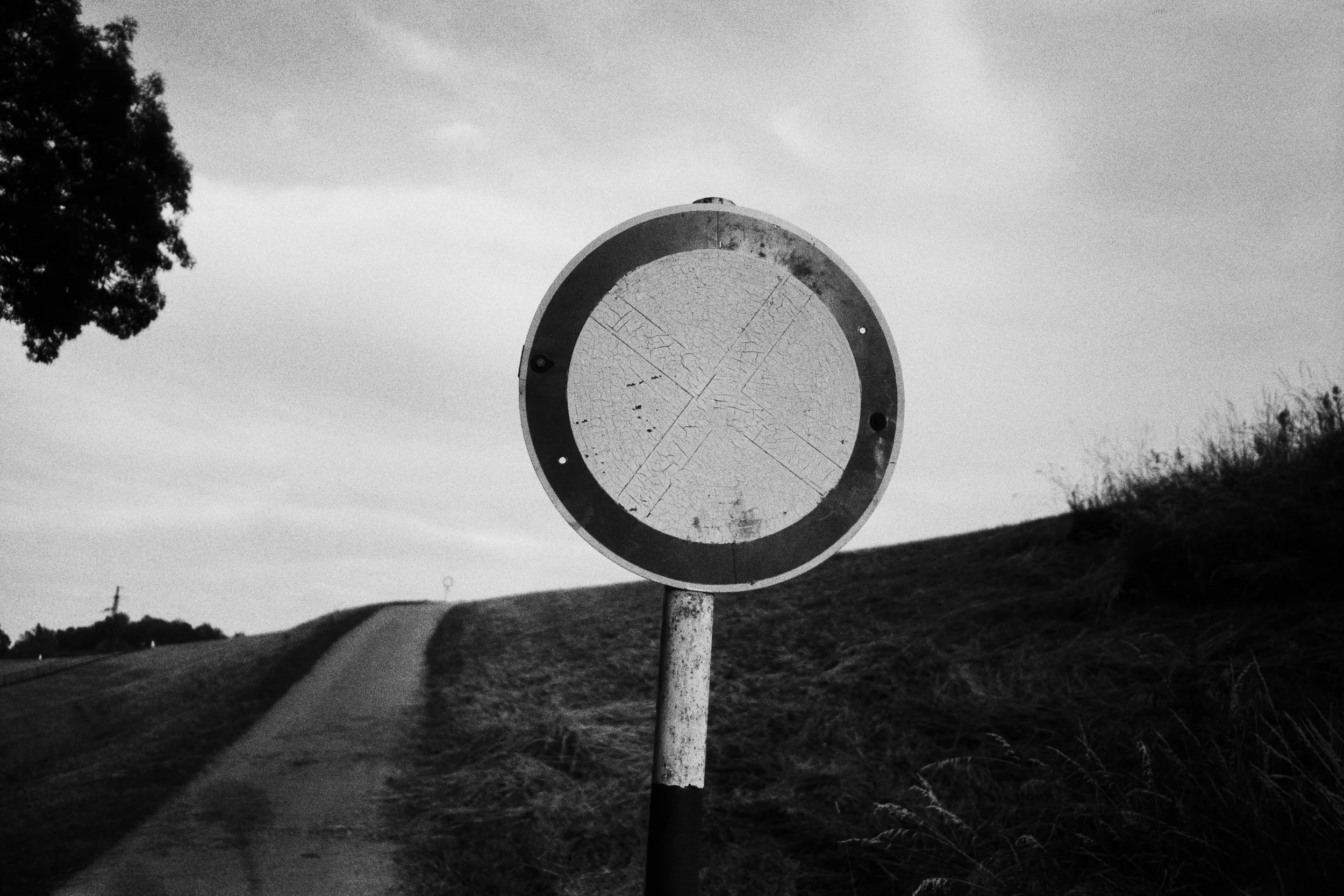
A traffic sign that was once a no-stop sign has long since become a no-entry sign. 2026.
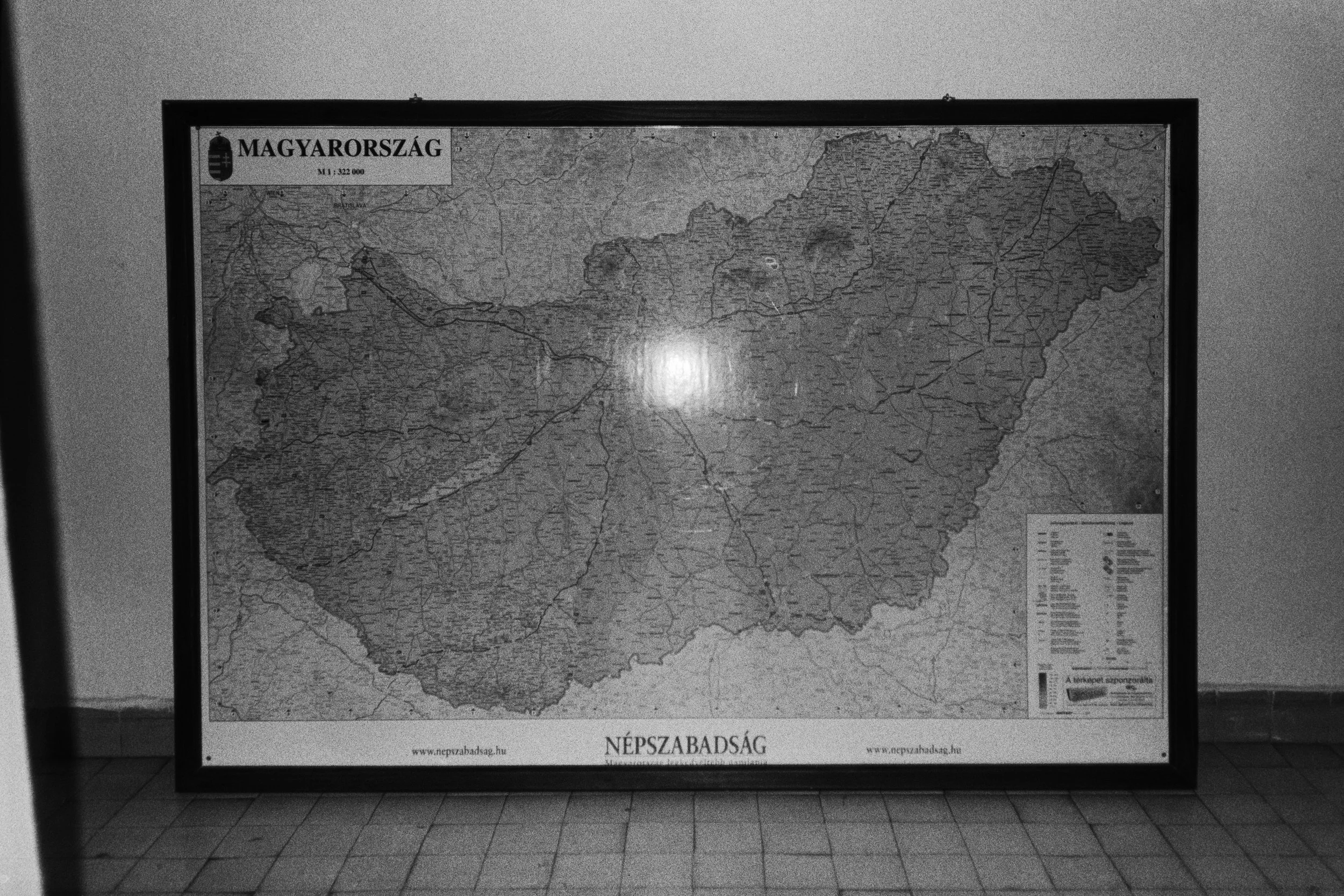
Map of Hungary. 2026.
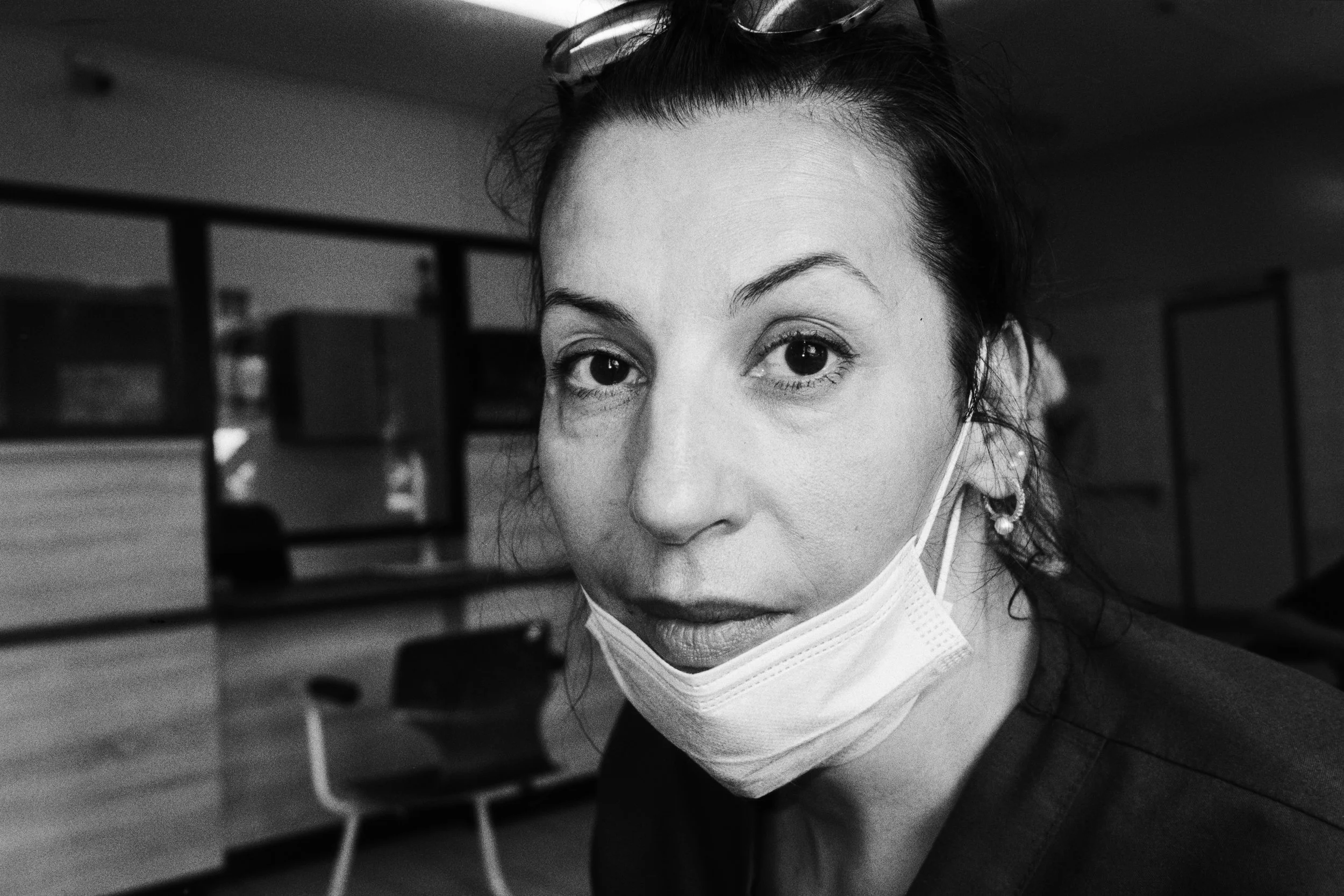
Andrea, now 51, has been working as a nurse since she was 18.
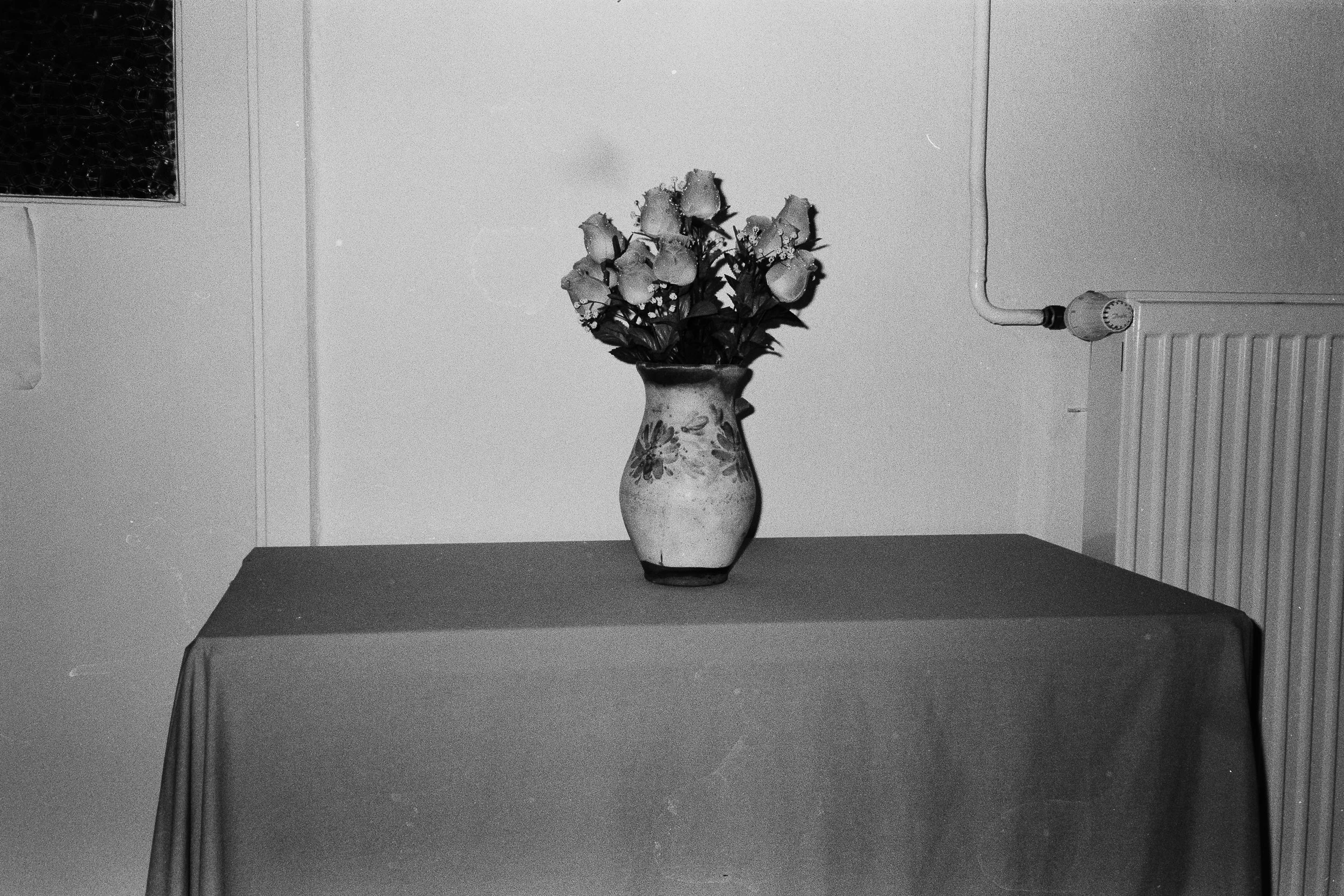
A found flower still life. 2025.
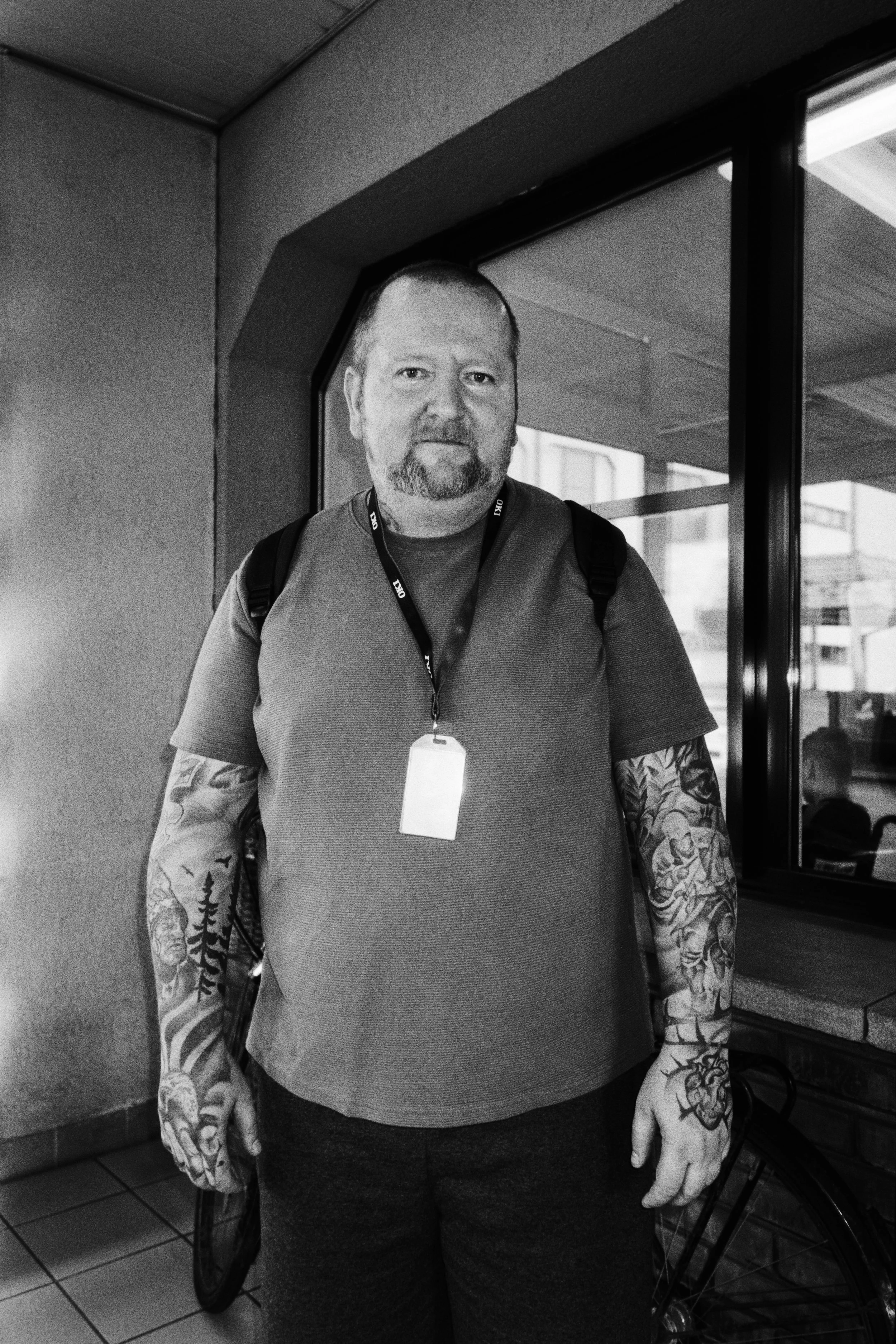
Portrait of István, a patient porter, after his shift before leaving for home. 2026.
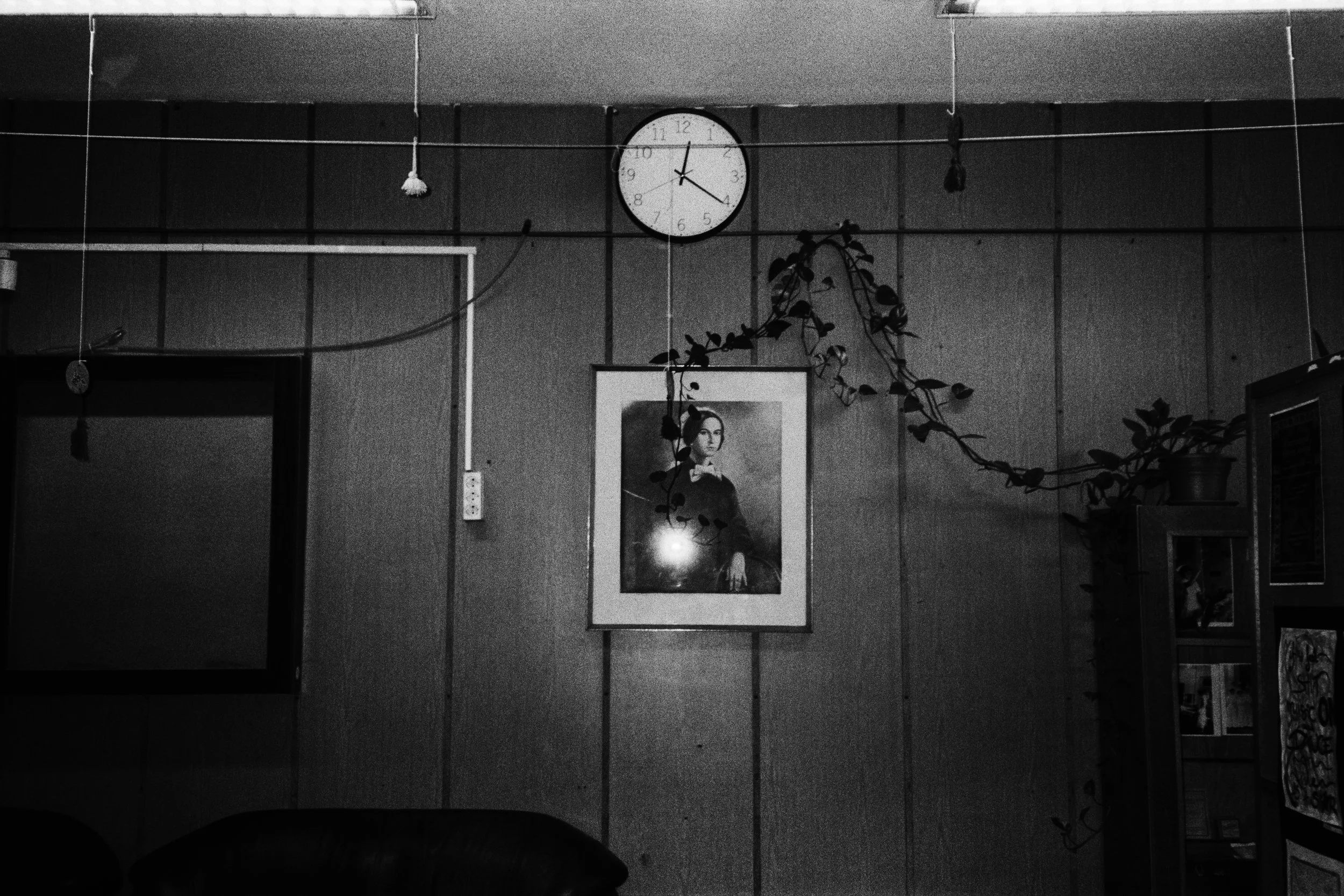
Gymnasium foyer in a health high school. 2026.
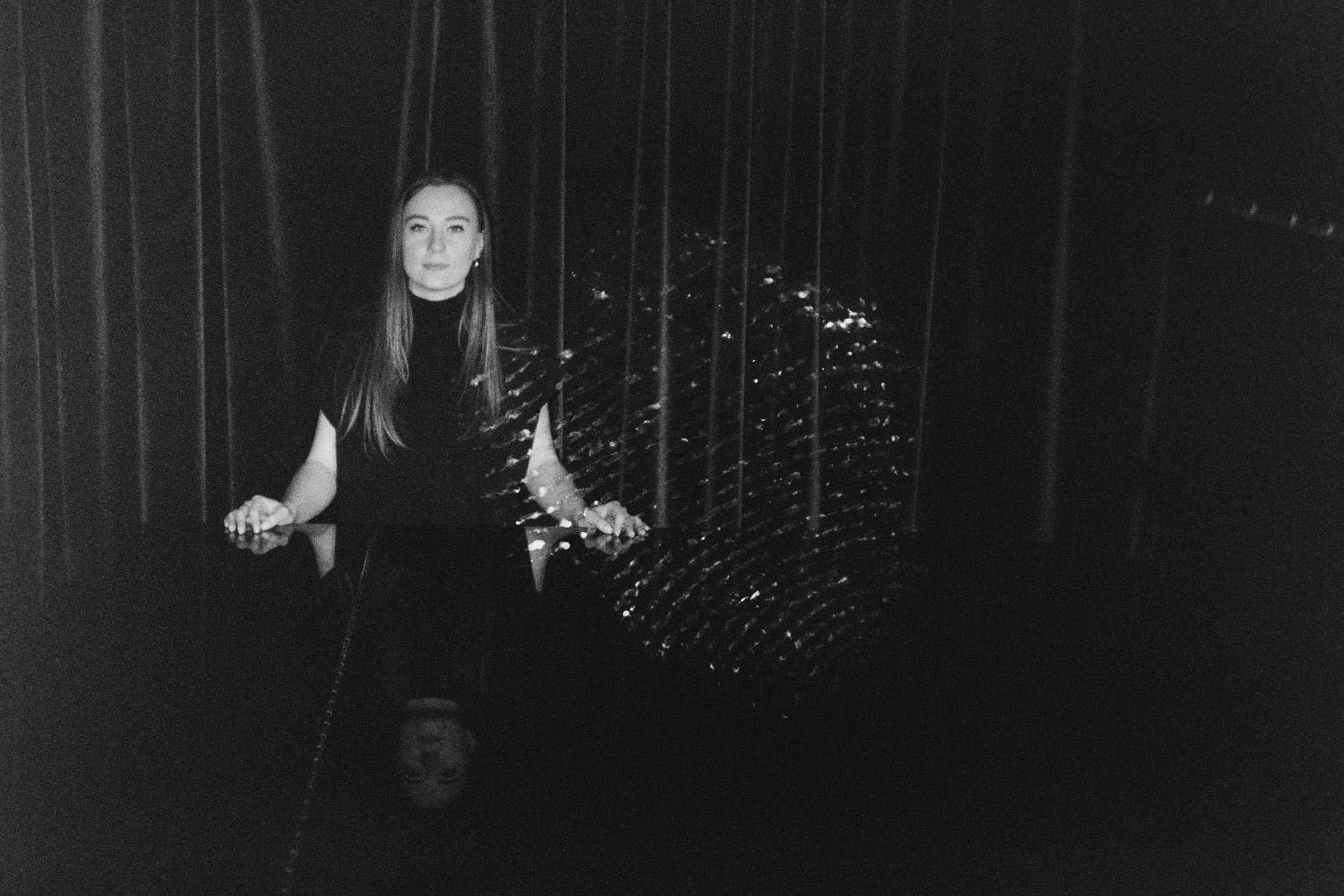
Veronica's visit while someone's fingerprint is left on the negative. 2026.
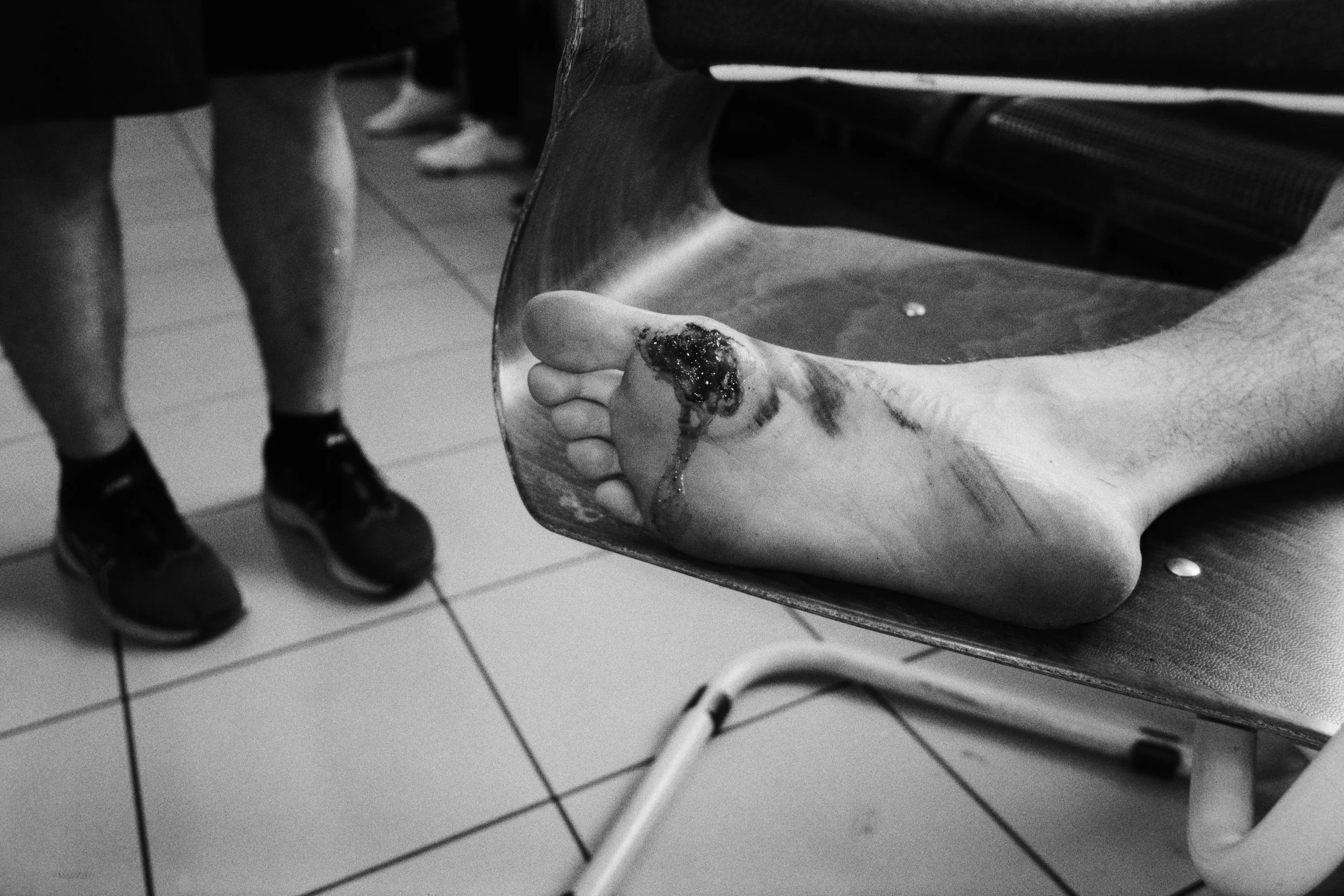
Csombor's foot was injured in a bicycle accident on a class trip. 2026.
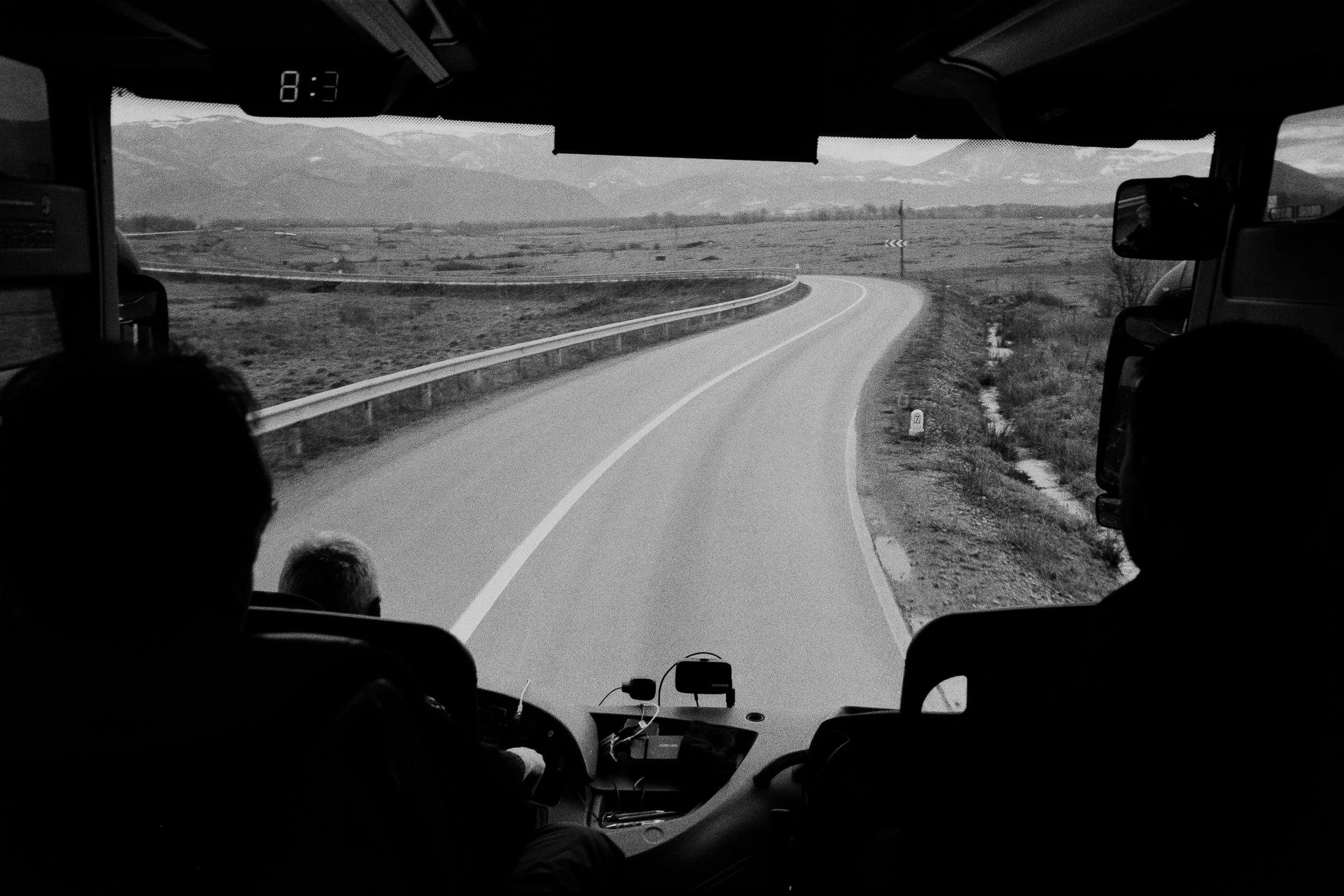
High school trip to the nearby mountains. 2026.
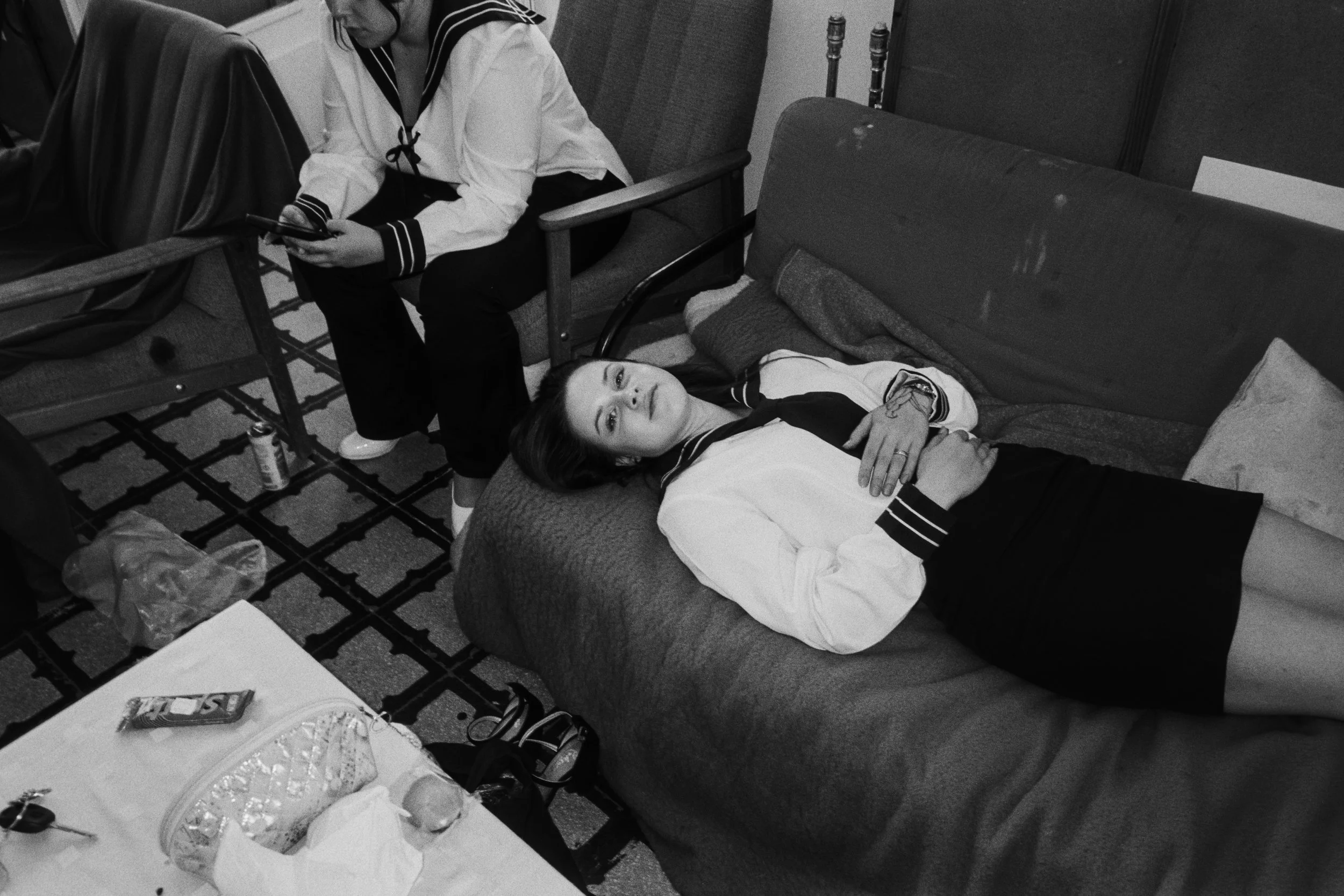
Barbara is resting during her exam break. 2026.
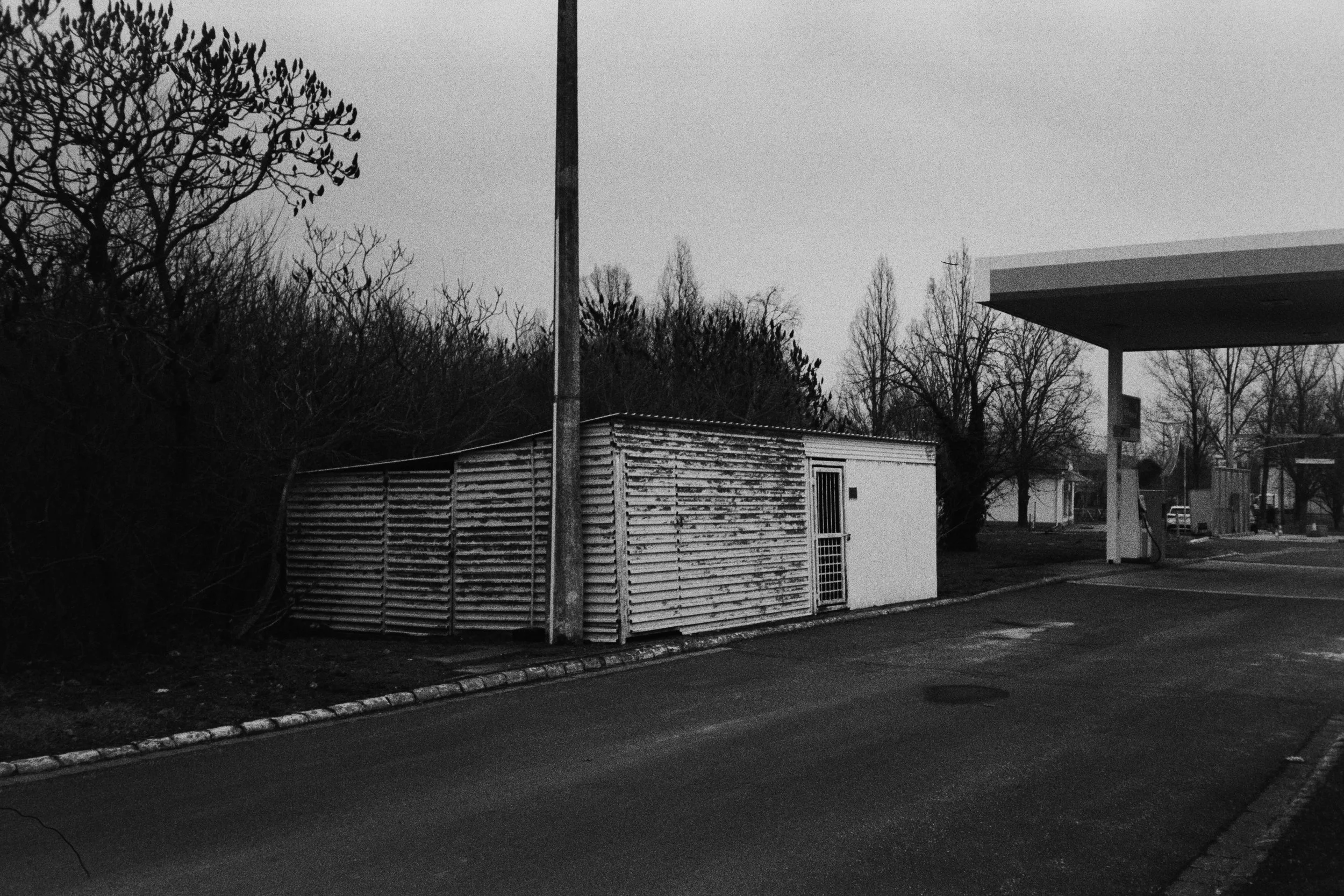
Small shed behind an old gas station. 2026.
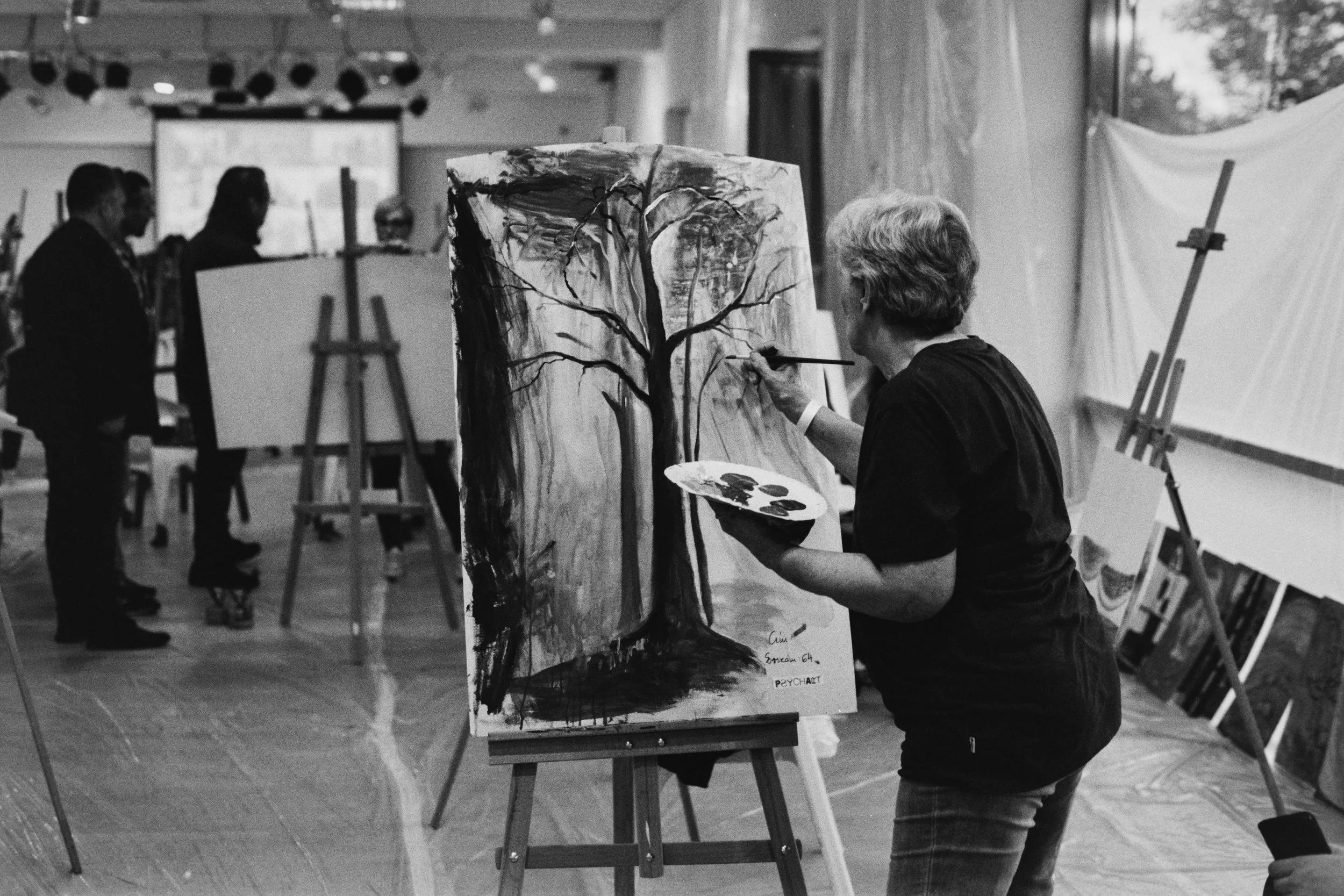
A woman paints a picture at a national art event for psychiatric patients. 2025.
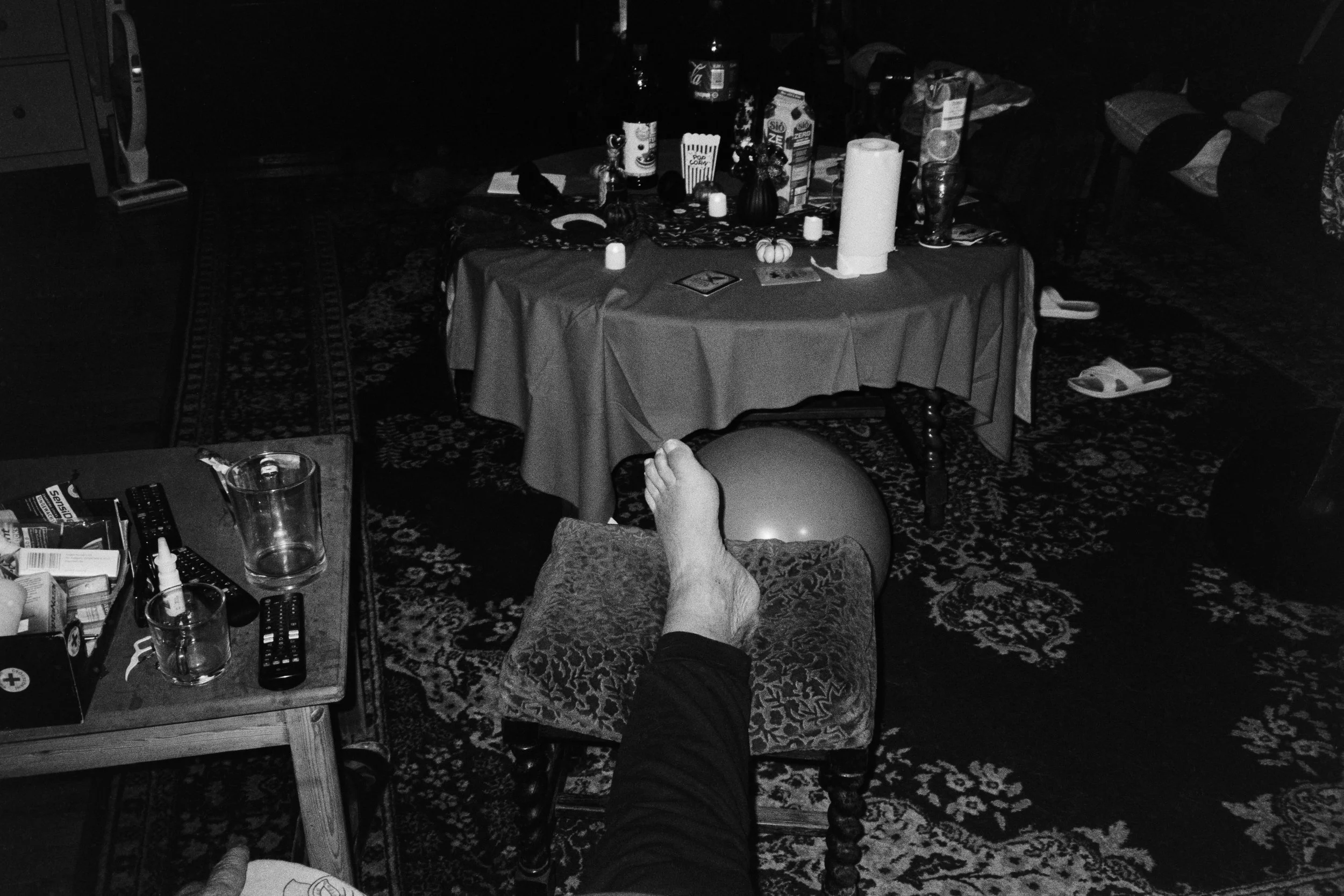
My father rests his swollen foot on a chair. 2025.
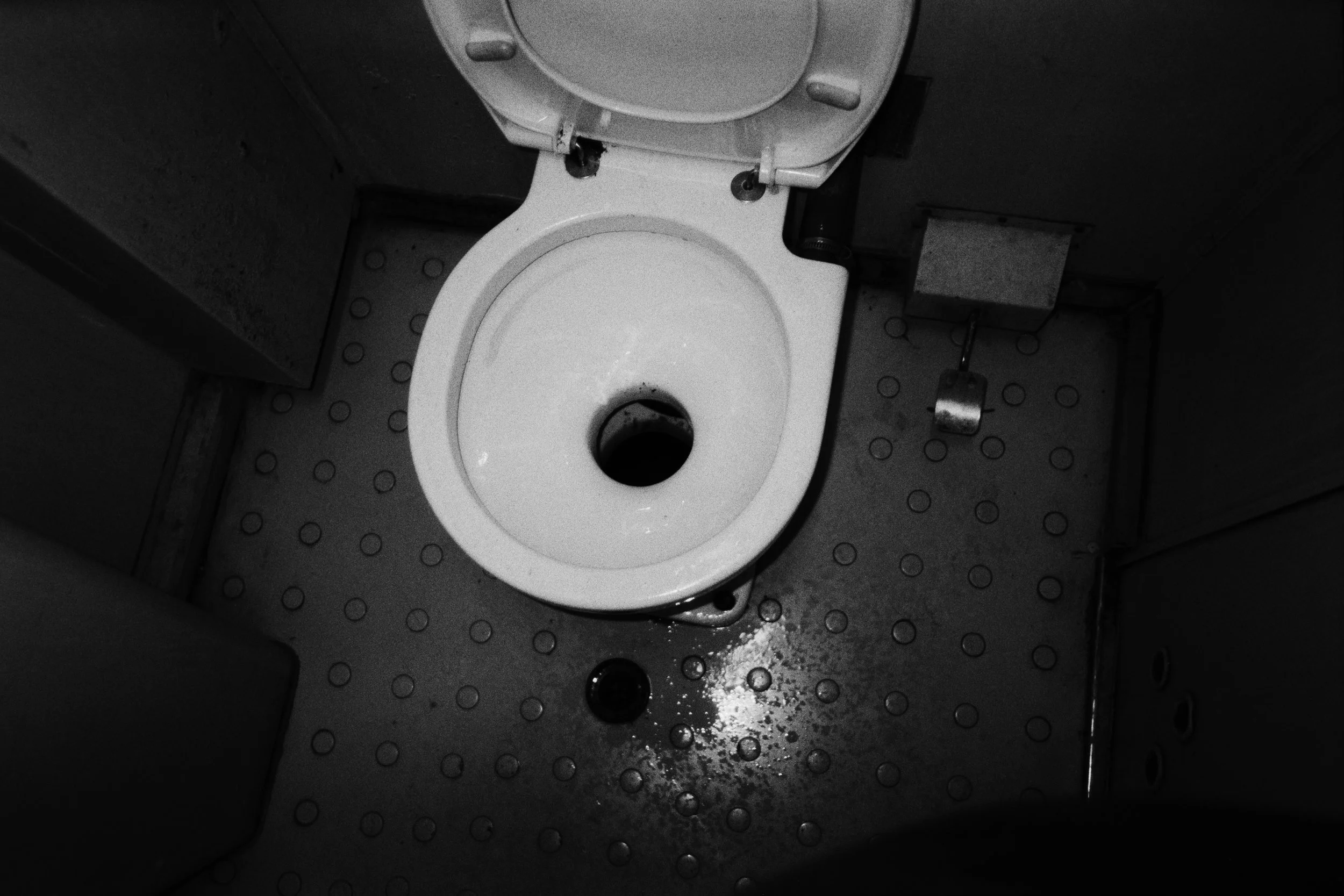
Train car toilet. 2026.
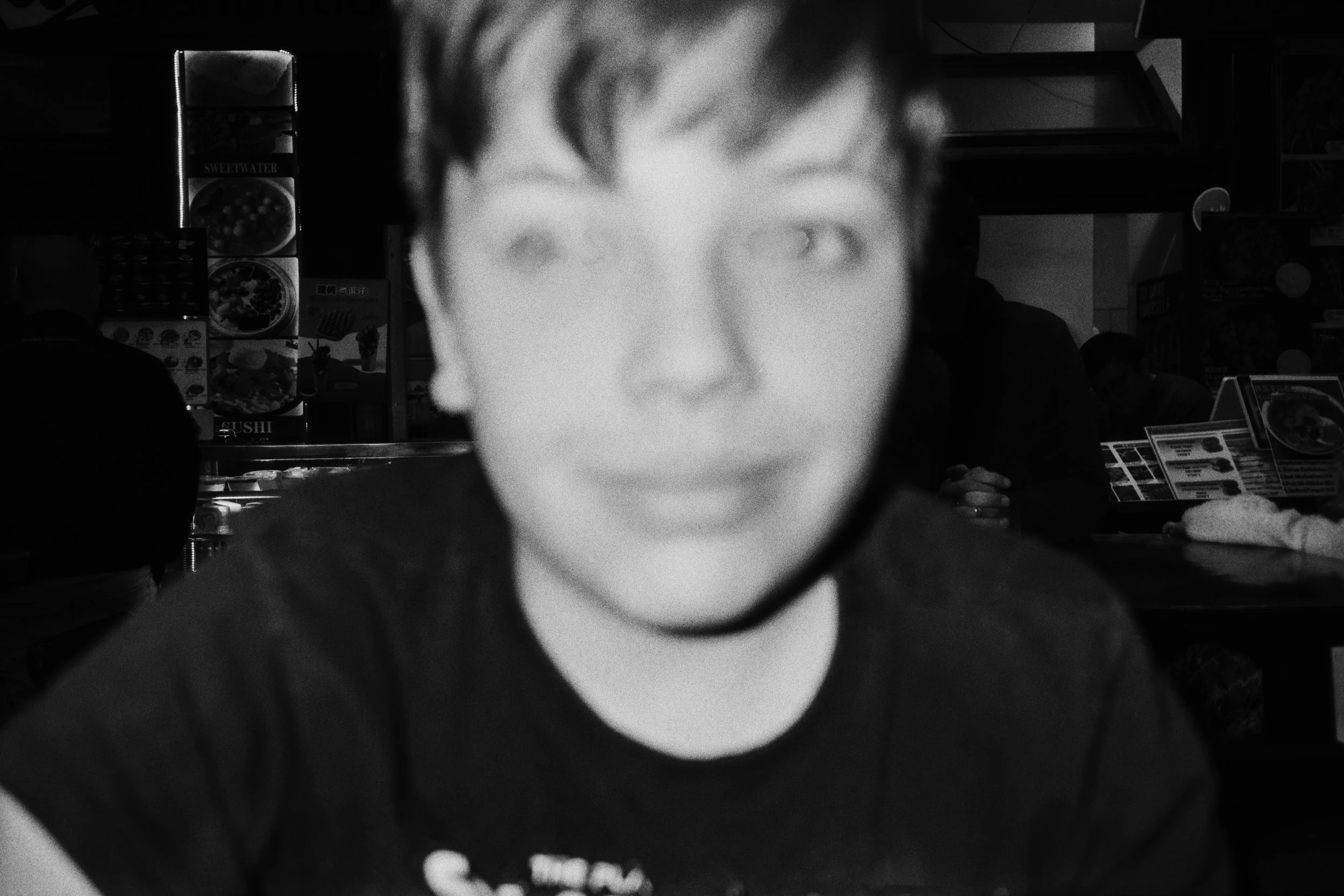
Lights play on Aaron's eyes after lunch at an Asian restaurant. 2026.
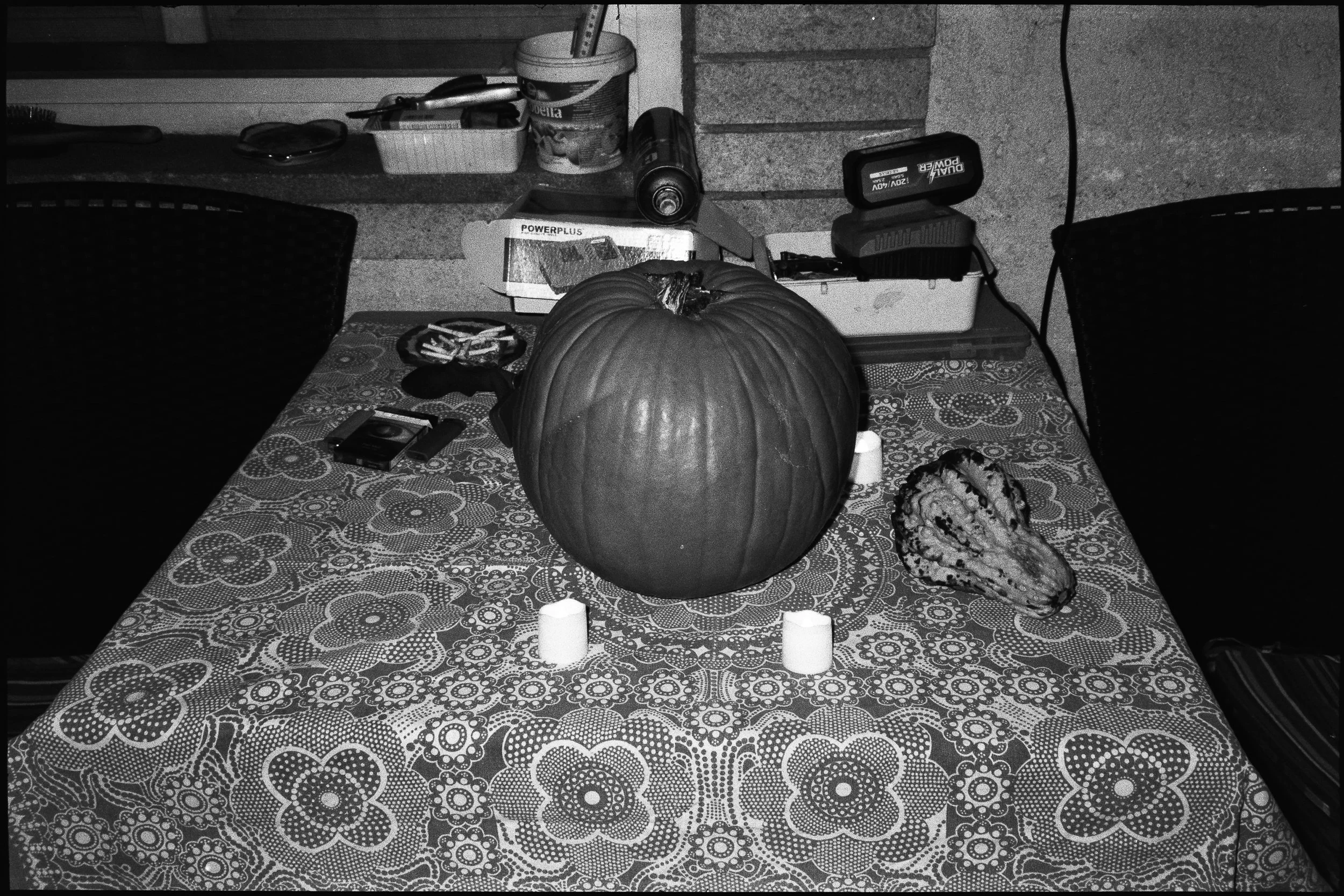
Halloween party. 2025.
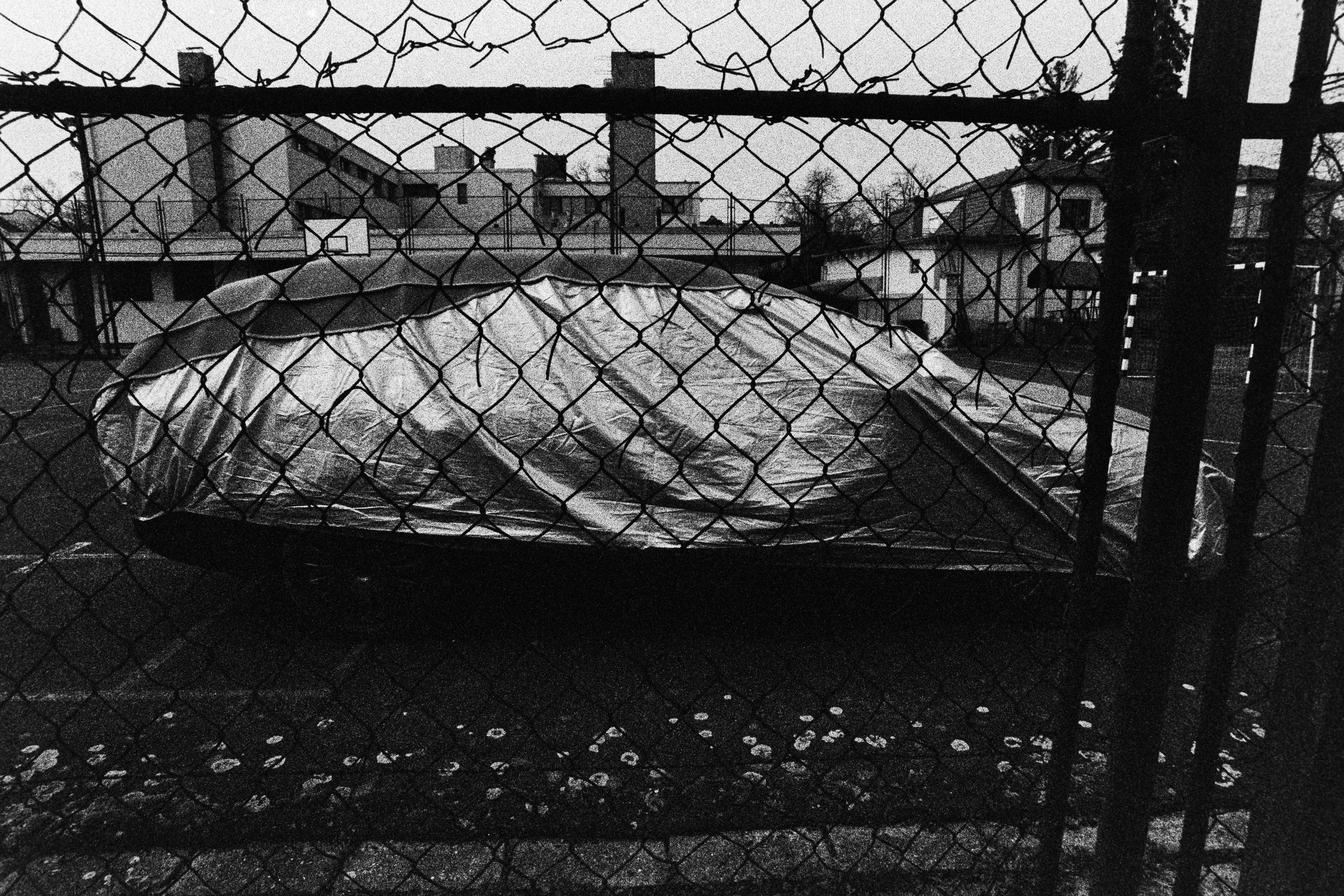
Covered car. 2024.